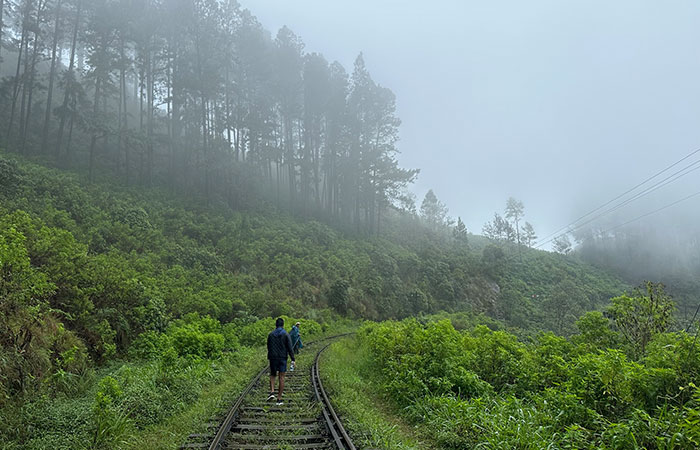
Deep in the heart of Sri Lanka, a breathtaking new trail winds its way through misty mountains, lush tea plantations, and historic estates. The Pekoe Trail, a 300km long-distance hiking route, offers adventurers and casual walkers alike a chance to immerse themselves in the country’s rich tea heritage while soaking in some of the most spectacular scenery on the island. Designed to be accessible to everyone—from seasoned hikers to weekend wanderers—this trail is more than just a trek. It’s a journey through history, culture, and the very essence of Sri Lanka’s iconic tea industry.
A Path Through Time: The History Behind the Trail
The story of Sri Lanka’s tea industry is woven into the fabric of this trail. Once known as Ceylon, Sri Lanka became one of the world’s leading tea producers thanks to the British colonial influence in the 19th century. What began as an experiment by Scottish planter James Taylor in 1867 soon transformed into a thriving industry, shaping the country’s economy and landscape. The Pekoe Trail, named after the fine grade of black tea, follows paths that were once used by tea planters, estate workers, and traders. These trails connected remote plantations to bustling towns, where freshly plucked leaves would make their way to factories and, eventually, to tea lovers worldwide. Today, the same pathways offer modern-day travelers a chance to step back in time, walking in the footsteps of those who built Sri Lanka’s tea empire.
A Hike for Everyone: Exploring the 300km Route
Unlike some of the world’s most grueling hiking trails, the Pekoe Trail is designed to be accessible to all. With varying difficulty levels across its 22 stages, it caters to both avid trekkers seeking multi-day adventures and casual walkers looking for a scenic afternoon escape. The trail winds through some of Sri Lanka’s most stunning landscapes, including the rolling tea fields of Nuwara Eliya, the dramatic mountain ridges of Ella, and the hidden villages nestled in the Knuckles Mountain Range. Along the way, hikers will encounter charming colonial-era tea bungalows, ancient temples, and cascading waterfalls. The route is well-marked, making it easy for travelers to explore at their own pace without the need for a guide. For those who prefer a structured experience, local tour operators offer guided treks, combining hiking with immersive experiences such as tea tasting sessions, plantation visits, and cultural interactions with Tamil tea-picking communities.
Highlights of the Trail: Must-See Destinations
Each segment of the Pekoe Trail unveils a different aspect of Sri Lanka’s tea country, with plenty of unforgettable stops along the way.
Nuwara Eliya: The Heart of Tea Country
Often referred to as “Little England” due to its colonial charm and cool climate, Nuwara Eliya is one of the most picturesque segments of the trail. Hikers can wander through neatly manicured tea gardens, visit historic tea factories like Pedro Estate, and take in the beauty of Lake Gregory.
Ella: Panoramic Views & Iconic Landmarks
The trail leads through Ella, a beloved destination for both hikers and nature lovers. Trekkers can take a detour to climb Little Adam’s Peak, cross the famed Nine Arches Bridge, and experience jaw-dropping views from Ella Rock. With its lively café culture, Ella also provides a great place to unwind after a long day of hiking.
Haputale: The Tea Planters’ Legacy
Haputale, another highlight along the route, offers some of the most mesmerizing views in Sri Lanka. It is home to the Dambatenne Tea Factory, founded by tea magnate Sir Thomas Lipton. Hikers can follow the trail to Lipton’s Seat, a panoramic viewpoint where Lipton himself once admired his flourishing tea empire.
The Knuckles Mountain Range: A Wild Escape
For those craving an off-the-beaten-path experience, the sections of the trail passing through the Knuckles Mountain Range provide a rugged adventure. This UNESCO-listed conservation area is rich in biodiversity, offering sightings of rare flora and fauna along with challenging yet rewarding hikes.
More Than Just a Walk: Cultural & Culinary Encounters
One of the most enriching aspects of the Pekoe Trail is the cultural immersion it provides. Many sections pass through small villages where hikers can interact with local communities, including Tamil tea estate workers who have lived in these hills for generations. Visitors can learn about their way of life, from the meticulous process of plucking tea leaves to the daily rituals that keep Sri Lanka’s tea industry thriving. The journey is also a feast for the senses. From the delicate aroma of fresh tea leaves to the rich flavors of traditional Sri Lankan cuisine, every step of the trail offers a taste of local culture. Hikers can stop at roadside tea stalls for a refreshing cup of Ceylon tea, enjoy warm roti filled with spicy coconut sambal, or savor a comforting plate of rice and curry at a village eatery.
A Sustainable Trail: Promoting Eco-Tourism & Local Livelihoods
The Pekoe Trail is not just about adventure—it’s also a step towards responsible tourism. The initiative behind the trail aims to support local communities by encouraging eco-friendly travel and creating new opportunities for small businesses. Many guesthouses and homestays along the route provide travelers with an authentic and sustainable accommodation option, ensuring that tourism benefits the people who have called these hills home for generations. Additionally, conservation efforts are in place to protect the fragile ecosystems along the trail, ensuring that the beauty of Sri Lanka’s tea country remains untouched for future generations.
A Journey Worth Taking
Whether you’re a seasoned hiker looking for your next big adventure or a nature lover seeking a leisurely walk through breathtaking landscapes, the Pekoe Trail offers something for everyone. It’s more than just a hiking route—it’s an invitation to explore Sri Lanka’s rich tea heritage, connect with local communities, and experience the island’s natural beauty in a way that few other trails can offer. With each step, the Pekoe Trail tells the story of Sri Lanka’s tea industry, from its colonial past to its present-day significance. And for those who embark on this 300km journey, it promises an unforgettable adventure filled with history, culture, and the simple joy of a perfectly brewed cup of Ceylon tea at the end of the day.